




How To Bleed Underfloor Heating
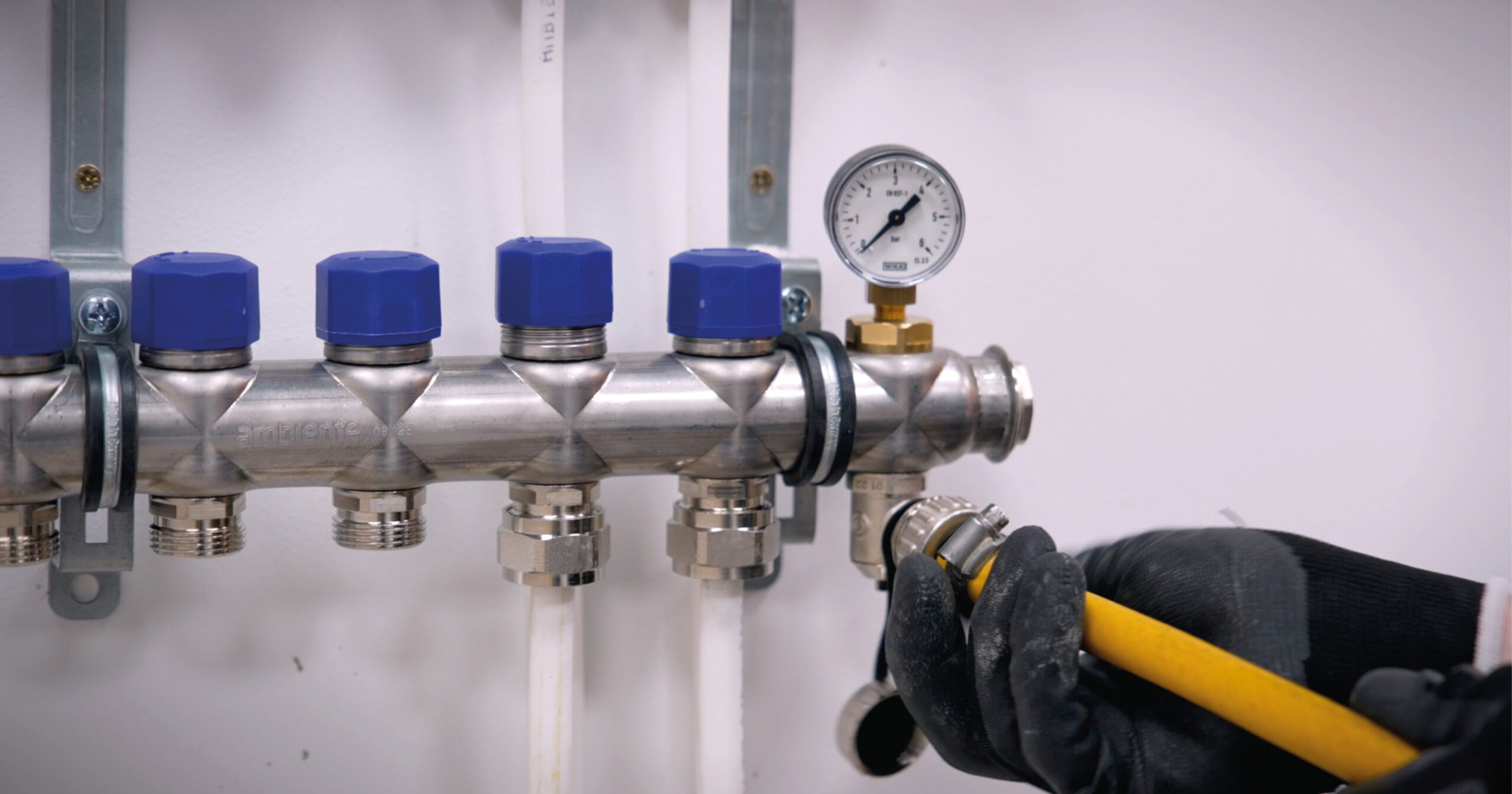
In this blog, we will cover how to bleed underfloor heating, the causes, and the process of dealing with it.
How it works
Water underfloor heating systems work by circulating warm water through a series of continuous loops that are fitted underneath the floor to create a large surface that heats a room from the floor upwards. Foreign objects or anything caught in a loop can cause blockages and reduced flow, reducing the heat output of the system which means your underfloor heating is not working to its full capacity
What causes air in your system
The main cause of air in pipes is when pockets of air are trapped by the flowing water. The air in the pipes is unlikely to develop into a major issue, but it can reduce the heat impact of a system and result in patches of the floor which aren’t as warm as the rest.
Once this problem has been identified, the best solution is often to bleed the underfloor heating system.
Before you begin bleeding your underfloor heating system
- Check the pressure in the system. Rising and falling pressure means your system is ok. If the pressure is low, it could mean there are underlying issues with a heating system.
- Add water to the system and keep an eye on any adjustments.
- Check and release the air bleed valves. This helps you to determine if there is air trapped inside.
Solving the problem of air in underfloor heating
- Once UFH is full of water, bleed the ports. Wait for ten minutes after the system is filled before venting ports as it prevents air from getting back into the system.
- Start venting the underfloor heating system. Start with the lower side of a property then move to pipes on the upper side.
- Vent each valve one after another. Only ever individually.
- Make sure you have a towel or cloth as water is likely to appear.
- Drain off the waste.
- Close each valve once you’re done and flush out the pipes to refill the system.
- Repeat until every valve is done.
After you’re done
- Check the pressure level again. It may rise after venting.
- If the pressure is too high or too low, further repairs may still be necessary.
+ Did you find this article helpful?
If you found this guide helpful, be sure to check out our other blog posts for more tips, insights, and expert advice on all things underfloor heating.
+ Any questions on Bleeding Underfloor Heating?
If you would like more guidance on underfloor heating, get expert advice from our team at sales@ambiente.co.uk or by calling 01707 649 118
+ Not an Ambiente accreditied installer yet?
Benefit from a wide range of UFH systems and controls to suit every project, gain project leads from our extensive network of contacts and technical support from a highly knowledgeable expert team.


