




The Guide to Retrofitting Underfloor Heating 2025
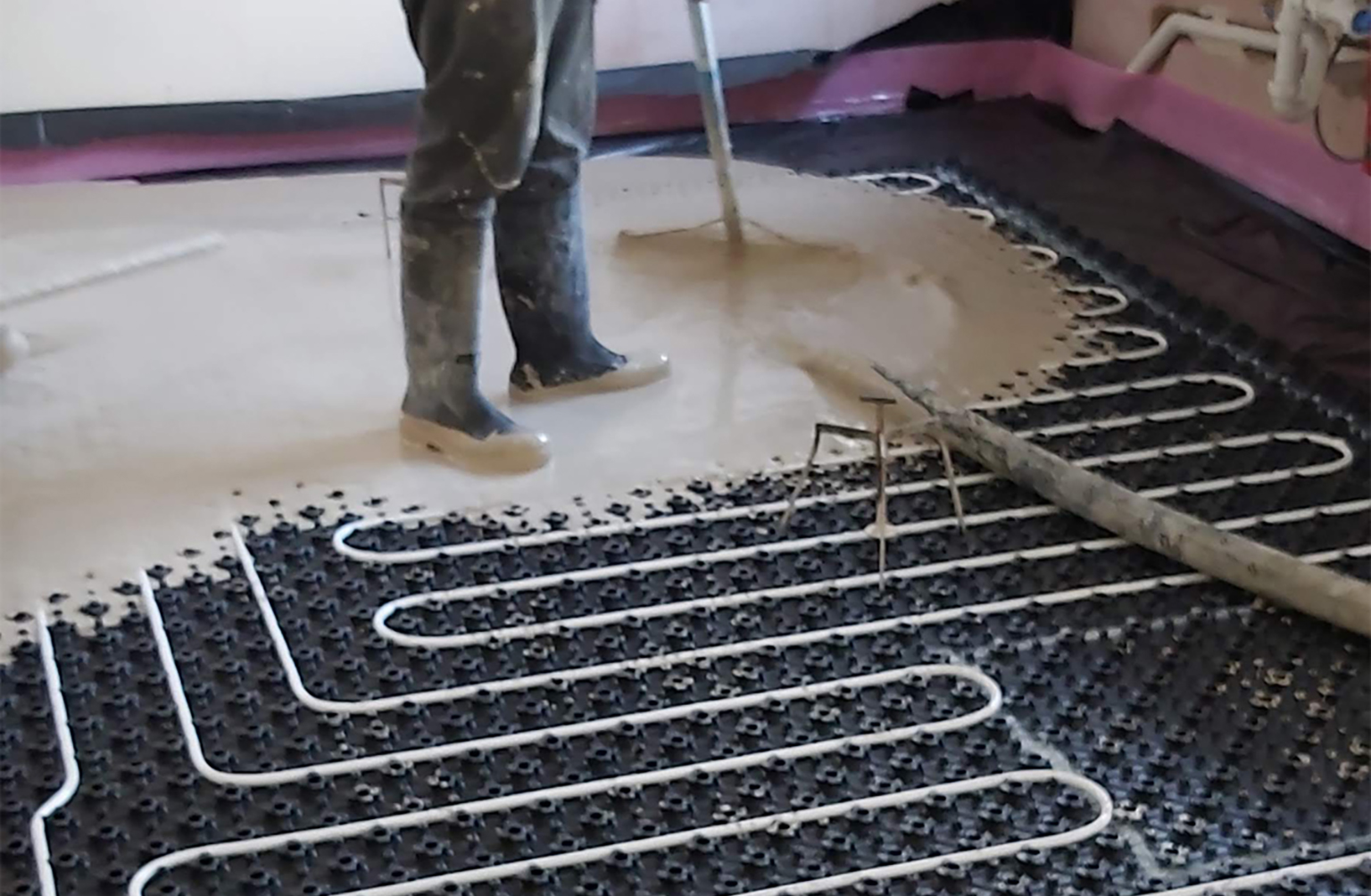
Underfloor heating (UFH) has evolved to be a highly sought-after alternative to radiators, with its superior comfort and energy saving, make UFH a popular choice.
Consumer’s desire for flexible, aesthetic, and efficient heating systems has spearheaded a UFH renaissance, one that’s seen retrofitting underfloor heating soar in popularity.
What Is Retrofit Underfloor Heating?
Retrofitting is typically described as the addition of new technology or systems to existing infrastructures. There are several reasons to undertake a retrofit. These include negating or reducing the potential for costly technology or systems or improving existing system performance with new, high-performance technology.
Underfloor heating is simply a series of pipes installed within the subfloor or directly underneath the floor covering, like laminate or tiles. The system is connected to the central heating or operated independently to efficiently heat the room, with heat flowing from the flooring upwards.
Let’s say your home has electric or gas central heating, a combi boiler, or immersion heater, but you want to improve your home’s energy efficiency to save as much as 40% on your household bills. There is a solution, retrofitting underfloor heating.
Retrofilling Underfloor heating to a ground floor – typical choices are:
1) AmbiDeck 20 Pro – 20mm thick UFH insulation panel which you can tile over.
2) AmbiLowboard – 18mm UFH insulation board which you can lay a wood floor over
Retrofitting underfloor heating to an upper floor where the subfloor is timber joists – typical choices are:
1) AmbiChiboard – 22mm chipboard with pipes at 150mm spacings
2) OverPlate® / UnderPlate® – this is a aluminum diffuser plate system that goes between the joists
Is Retrofitting Underfloor Heating the Right Option for You?
In short, it depends on what is best suited to your property, the people who inhabit the space daily, and whether you’re installing underfloor heating as a long-term cost-saving measure or creature comfort. Installing underfloor retrofit heating for the sole reason that it will increase property value, may not be the best motivation as there are often other costs which arise from installing UFH that might not be obvious in the beginning.
However, if your goal is to make everyone in the property more comfortable, heat each room independently, improve energy efficiency, and save long-term costs then underfloor retrofit heating could be an ideal solution. Planning and preparation are paramount to successfully retrofit any wet UFH systems. Plan your primary equipment with the future in mind as it will save money if you buy once and buy well, rather than buy for what you are doing now and then later decide to add to it… Pipework can sometimes be run through walls to avoid cluttering the transit areas near the manifold. With the AmbiChipboard and AmbiDeck 20 Pro systems, remember that the pipework will primarily run within pre-grooved channels (how the pipe is secured.) This flexibility is different from a new-build project because the pipe layout is more flexible. This requires careful installation planning in addition to a considered design. Any floor finishing manufacturer’s recommendations must also be considered. Some ask for a smoothing compound to be laid prior to laying the floor finish, which does need to be thought through. Ssolid engineered wood floorscan be installed on top of a AmbiFloat polystyrene UFH system. Also, when choosing your cover board to go over the top of the UFH you should consider using the cement boards as they have a great heat transfer which means the heat can flow through the board faster a spread more evenly across the floor. Conventional underfloor heating systems can be more than 125 mm thick. This means that you may need to remove and re-install the flooring to maintain a reasonable floor-to-ceiling ratio. Low profile UFH can be as little as 20 to 30 mm thick, this offers you significantly more retrofitting flexibility. Where possible put as much insulation below the UFH as you can, this will promte the heat to come up through the floor and not go down and get lost in the floor slab. An underfloor heating retrofit can be challenging. If you’re not 100% sure of what you need to do, we’d always recommend getting the help of professionals, like Ambiente. Most underfloor heating systems are sold with clear ‘how to install’ guidelines, however, if you’re confident that you’ll be able to retrofit the underfloor heating yourself, there’s nothing stopping you. 1) Be sure that your home supports an underfloor heating retrofit. Examine the existing flooring and subflooring, the properties insulation and carpeting throughout and decide if UFH is the right option. 2) Select the right UFH system. You’ll likely have the option to retrofit several different UFH systems. Choose UFH that best suits your property, the space, required heating, and budget. 3) Remove the existing flooring. You’ll need to remove the existing flooring to retrofit UFH. This can be time-consuming and messy. 4) Retrofit the UFH system. This will depend on the type of system you have. However, generally, the process will involve laying the heating elements, connecting the control system, and testing it for any issues or faults. 5) Replace the flooring. Once the UFH system has been installed and tested, you can then replace the flooring, with vinyl, hardwood or tiles. 6) Commission and test the system. Test the heat output to ensure that the system is safe and meets all building regulations. As with other heating solutions, there are several clear advantages and disadvantages of underfloor heating. Below are some of the reasons why an underfloor heating retrofit may or may not be the best option for you. Heat rises and UFH efficiently heats any room from the ground up. Not only is this more efficient, but it’s cost-effective. UFH radiates heat evenly throughout the room. This creates a consistent and comfortable temperature. Unlike traditional heating systems, UFH doesn’t circulate heat using covections but uses radiation to radiate the heat from the floor surface. This reduces dust and allergens. UFH doesn’t need radiators or any other visible heat sources. This improves spatial aesthetics creating an uncluttered, more open room design. The even heat distribution of radiant heat will be felt throughout the body, creating a cosy, comfortable ambience. Retrofitting underfloor heating can be costly, especially if the existing flooring needs to be removed and replaced. However, underfloor heating is a long-term energy savings strategy, with the initial installation costs offset over months and years. An underfloor heating system can raise the floor level, something that may be an issue in rooms with already limited headroom. UFH is only effective with limited floor coverings, like vinyl for instance. UFH tends to be less effective when retrofitted underneath thick carpet. Room heat loss volume, floor construction, and type of flooring will all influence the heating time. This means that UFH may not be suitable for especially frigid climates or quick heating when the temperature drops substantially. UFH can be difficult and costly to repair, especially if maintenance or repairs are needed under the flooring. Electric underfloor heating systems are thinner, cheaper, and easier to install than wet UFH. This makes them ideal for small, difficult-to-access rooms. Wet underfloor heating systems offer a more luxurious finish and dual solutions, and they can heat the ambient room temperature and the water. However, both systems are not inexpensive to run. A kilowatt of electricity produces 3-4 killowatts of energy with an air source heat pump. Gas is approximately three times cheaper than electricity. If you can get more than 3-1 then you are better off with a heat pump. It really depends on your budget and motivation to retrofit underfloor heating. You can always opt to install UFH in one or two rooms in the property, not the entire interior space to save your money. To meet the Building Regulations requirements of a U value in the floor of 0.25W/m2k, you’d typically need to install 120mm of rigid foam insulation. Renovation project regulations are more relaxed, sometimes not being a factor at all. Less insulation is also permissible. Don’t forget that some UFH systems do not require any insulation, with groove being set to existing concrete floors for the pipework and the floor finishing atop. Not only does this promote a seamless finish but it will not raise the floor height whilst promoting energy efficiency. This system is ideal for builds where floor height is at a premium. It can be used in a suspended floor application if there is a level and firm structural flooring layer over the joists. This will enable the AmbiFloat panels to fully support the floor finishes. The 18mm insulation of this system is pre-grooved to take the 12mm UFH pipework and covered with foil to maximise heat distribution (up to 80w/M2). This system has a quicker response time than a traditional screed UFH system. The installation of the AmbiLowboard EPS system requires covering the complete floor area with insulations panels and using battens to provide extra support to threshold and perimeters where necessary. This system is a grooved cement board UFH that is ideal for retrofit application. It is designed for hard floor finishes such as tiles and wood flooring—they can be laid directly on top of the installed system. The board are provided in two pre-routered panels—straight boards and return panels but this depends on the pipework pattern design. The cement material of the board gives it a low thermal resistance which ensures even heat spread. It is essential that this system is laid on a flat, level and solid base. Carpets and vinyl can’t be laid directly onto the AmbiLowboard SRB system but can be laid if the system is topped with an additional layer such as 6mm plywood. The AmbiSolo system is made of a 12mm UFH pipe with a plastic castellated panel. This is all covered with 20mm of reinforced levelling compound. This system must be laid directly onto a structural and level sub-floor. No loose flooring or insulations layers can be involved as a 20mm compound is not structural in its own right. This retrofit UFH system has unique benefits. It has a very quick response time (15-30 minutes dependent on the floor covering) and the output can be up to 120W/M2. Most floor finishes can be laid directly on top of the AmbiSolo system. Tiled floors are recommended with the use of a decoupling membrane to soak up any lateral movement that can cause cracks in the grout joints over time Our latest addition, The AmbiDeck® system really does give the best of both worlds – it provides a low-profile underfloor heating system, which incorporates an insulation layer and can be tiled directly onto.AmbiDeck® consists of a high-density XPS insulation panel, 18mm thick. The face of the panel is cement-coated, making it rigid and durable. It is grooved to take 12mm UFH pipework, with a radius return grooved into each panel, making the panel universal. Additional pipework channels can easily be routed/grooved into the panel. AmbiDeck® must be laid onto a flat and level subfloor, which can either be concrete or timber-based. Over a concrete floor, we recommend laying the AmbiDeck® panels over a combed layer of flexible tiling adhesive. Over a timber floor, we recommend securing the panels down with screws, using the AmbiDeck washers. Tiles and wood flooring can be laid directly over this system. Other finishes such as carpets or vinyl will require an intermediate board layer, prior to the finish being installed. How To Bleed Underfloor Heating Guide If you would like more guidance on retrofit underfloor heating. Get expert advice from our team at sales@ambiente.co.uk or by calling 01707 649 118. Customers and contractors want the best for their homes and projects, and our underfloor heating and services will help installers stay ahead of competitors and be ready to seize the opportunity whenever it’s presented. Ambiente is a supplier that proactively works with installers to provide support and guidance, from pipework specification to design and technical support. Fill out our form today to start your journey as an Ambiente-affiliated UFH installer. Benefit from a wide range of UFH systems and controls to suit every project, gain project leads from our extensive network of contacts and technical support from a highly knowledgeable expert team.
Low Profile Underfloor Heating
How to Retrofit Underfloor Heating
The Advantages and Disadvantages of Retrofitting Underfloor Heating
The Advantages
The Disadvantages
Is It Best to Retrofit Electric or Wet Underfloor Heating Systems?
Retrofitting Underfloor Heating Cost Savings and Practicality
The Best Underfloor Heating Systems for Retrofitting
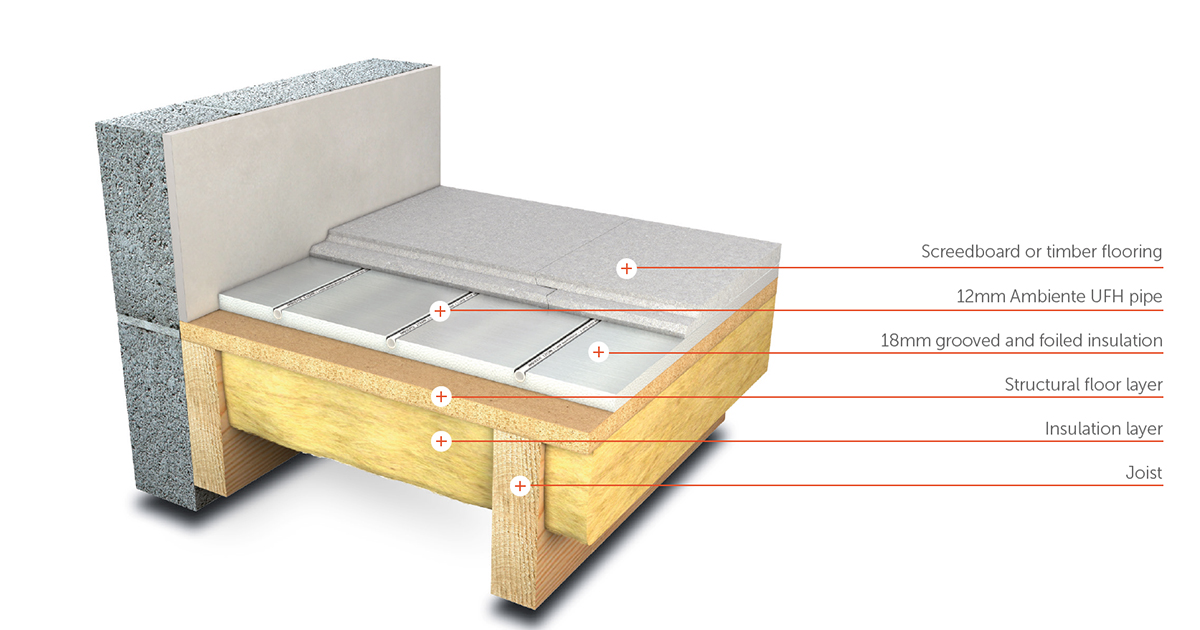
AmbiLowboard EPS system
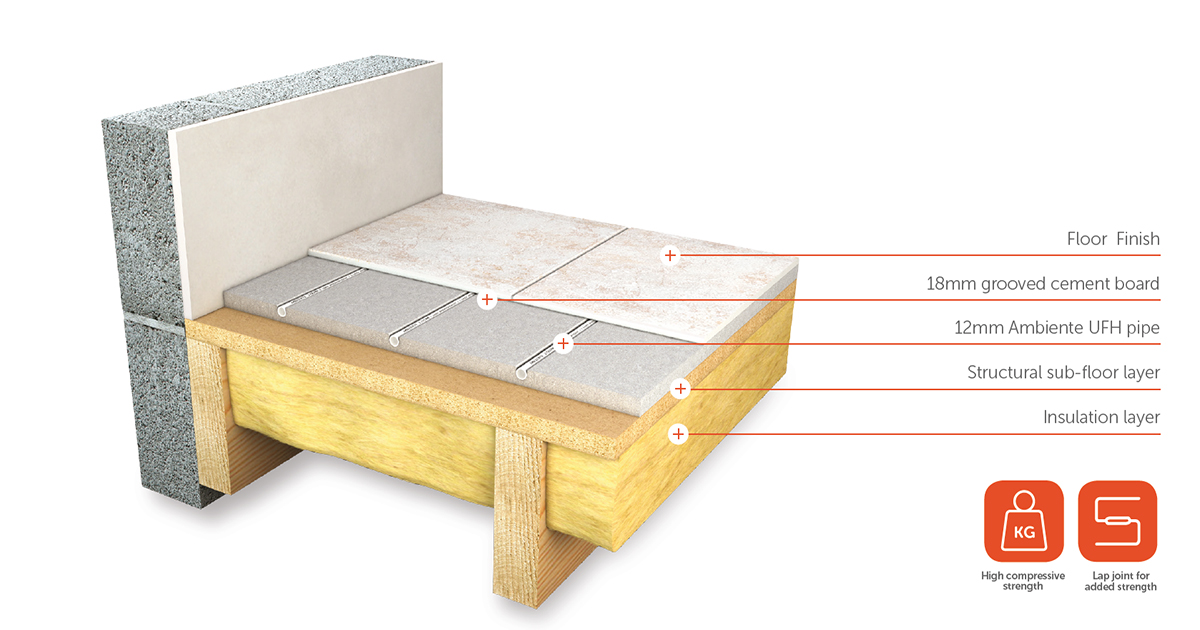
AmbiLowboard SRB system
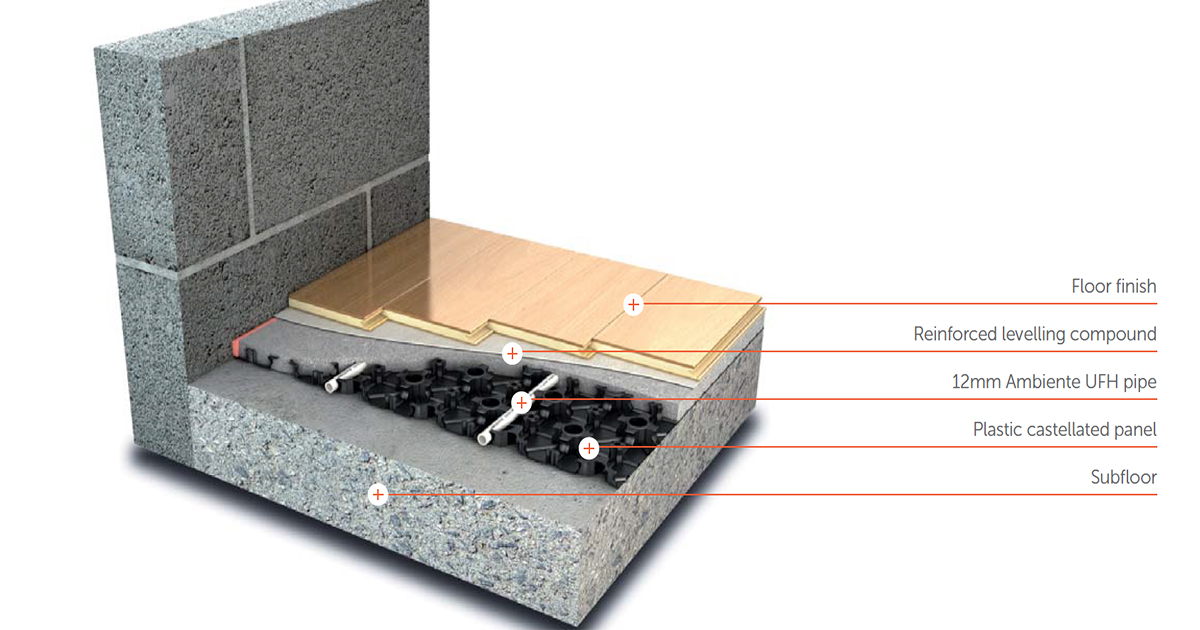
AmbiSolo
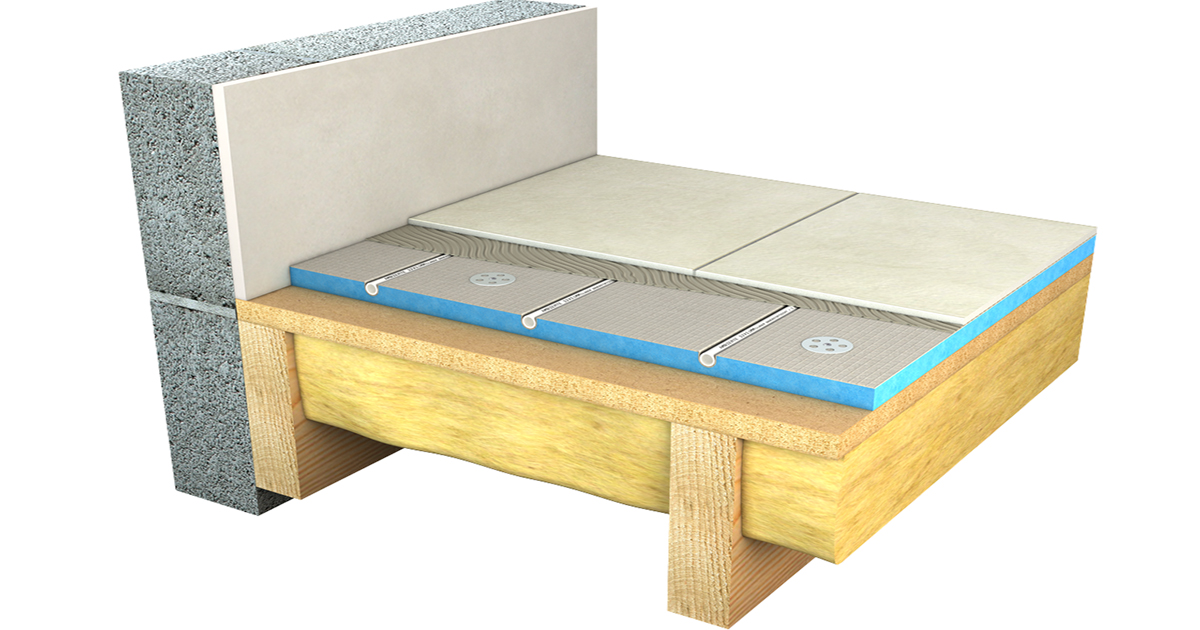
AmbiDeck®
+ Did you find this guide helpful?
The Expert Guide To Floor And Air Temperature Sensors+ Any questions about concrete UFH?
+ Not an Ambiente accreditied installer yet?


